Graphite Electrodes: Rods, Plates and Felt
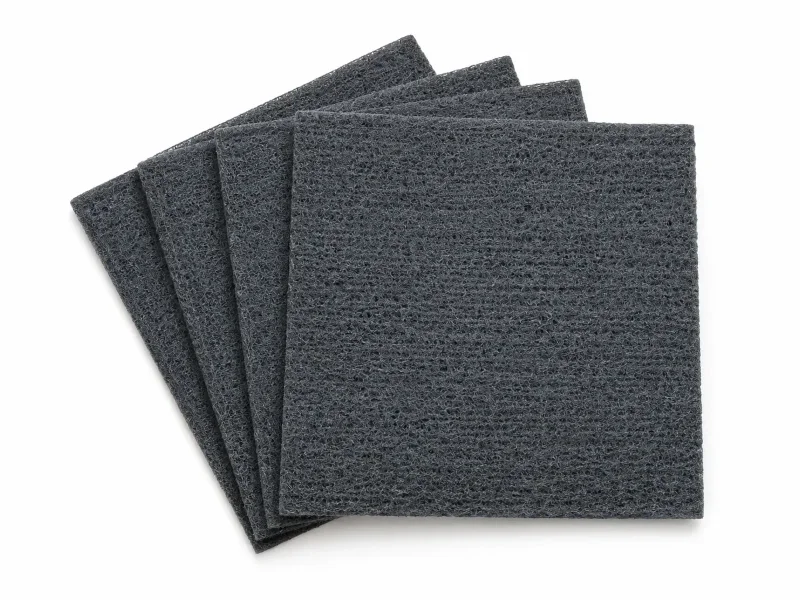
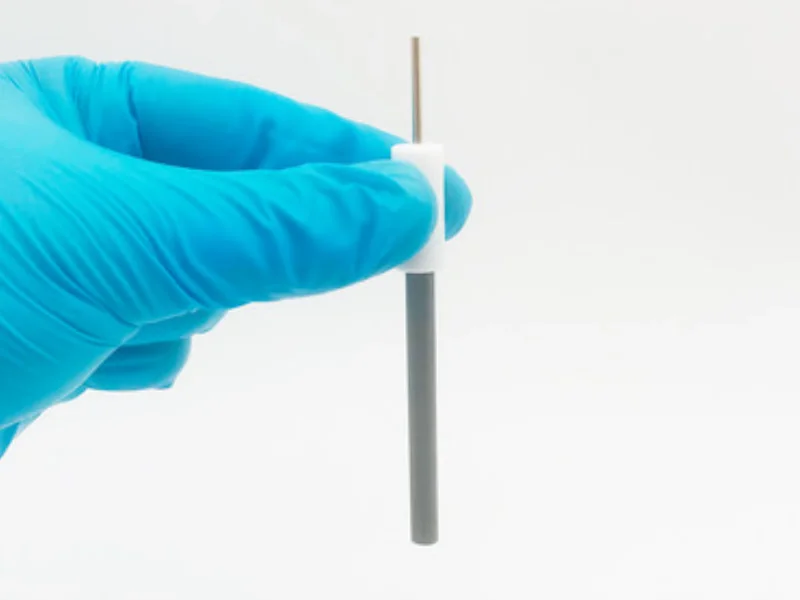
A graphite electrode, also called a carbon rod electrode, is a conductive carbon electrode that costs little and adds no metal contamination, which makes it a common counter electrode. METNMAT sells graphite rods from Ø6 × 60 mm to Ø6 × 120 mm, a graphite plate electrode, and graphite felt in 200 × 200 mm sheets.
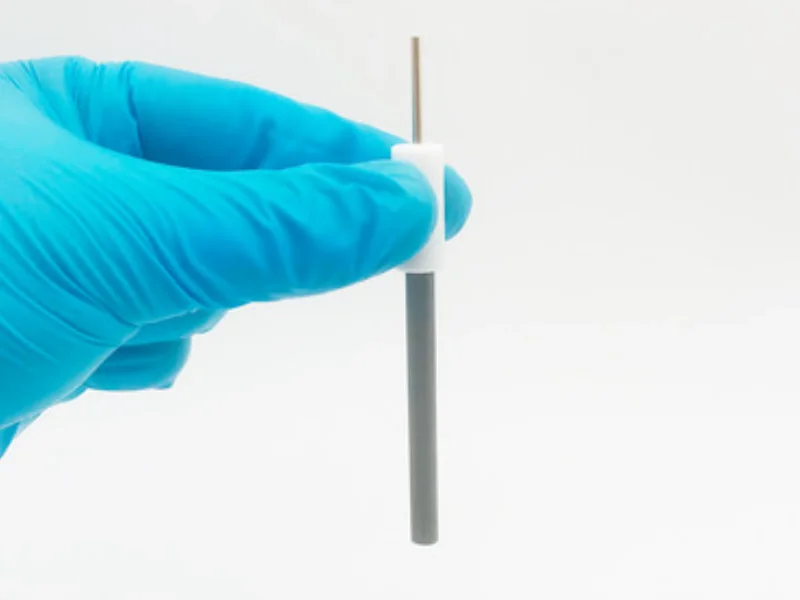
Which graphite electrode do you need?
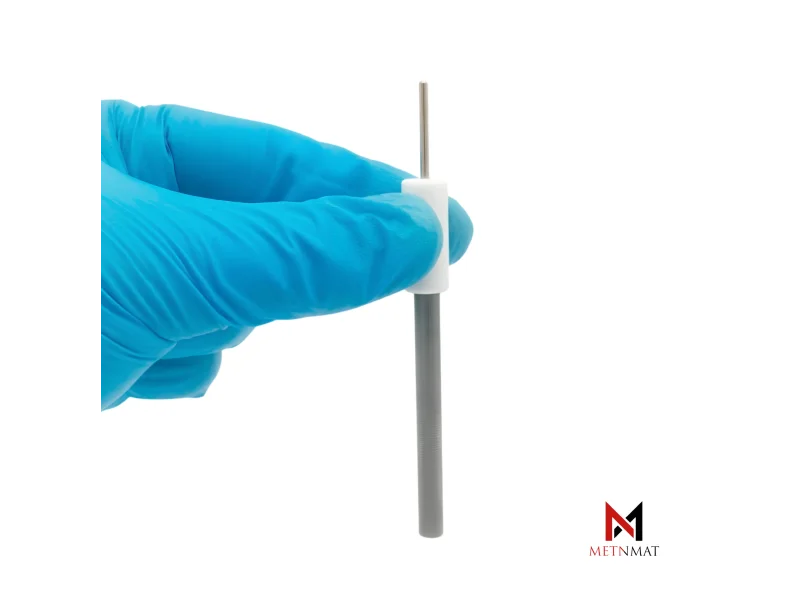
- Rod
- The usual counter electrode. Choose the length that reaches your electrolyte.
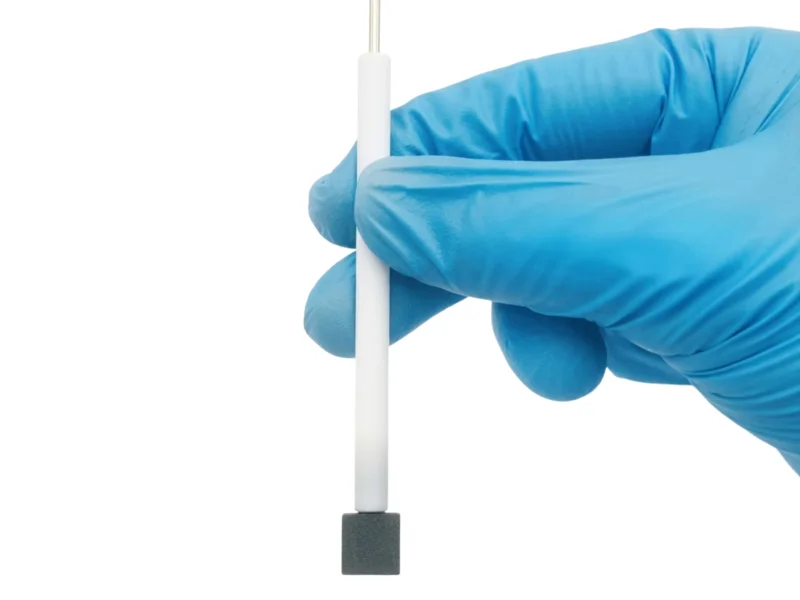
- Plate
- A flat electrode with a known area.
- Felt
- A thick, porous sheet with far more surface area, common in flow batteries.
Price list
| Product | Price incl. GST |
|---|---|
| Graphite Felt Electrode for Electrochemical Applications (200 × 200 × 3 mm) | ₹3,021 |
| Graphite rod counter electrode Ø6 × 60mm | ₹4,130 |
| Graphite Rod Counter Electrode (Ø6 × 80 mm) | ₹4,720 |
| Graphite Plate Counter Electrode (10 × 10 mm, 3 mm Thick) | ₹5,900 |
| Graphite rod counter electrode Ø6 × 120mm | ₹7,080 |
Frequently asked questions
What is the price of graphite electrodes in India?
Prices for METNMAT's graphite electrodes run ₹3,021 to ₹7,080 including GST, with free shipping within India and a GST invoice. Each product page shows its exact price.
Is a graphite rod a good counter electrode?
Yes. It conducts well and costs less than platinum, and it avoids the risk of platinum depositing on your working electrode.
What is the difference between graphite and glassy carbon?
Graphite is porous and layered, so it suits counter electrodes and bulk use. Glassy carbon is hard and non-porous, and it can be polished, so it suits working electrodes.