Projects & Case Studies
A selection of METNMAT's research and engineering work — from high-conductivity copper alloys and high-temperature materials to metal foams, composites and thermoelectric waste-heat recovery — taken from concept to industrial scale.
15case studies
6focus areas
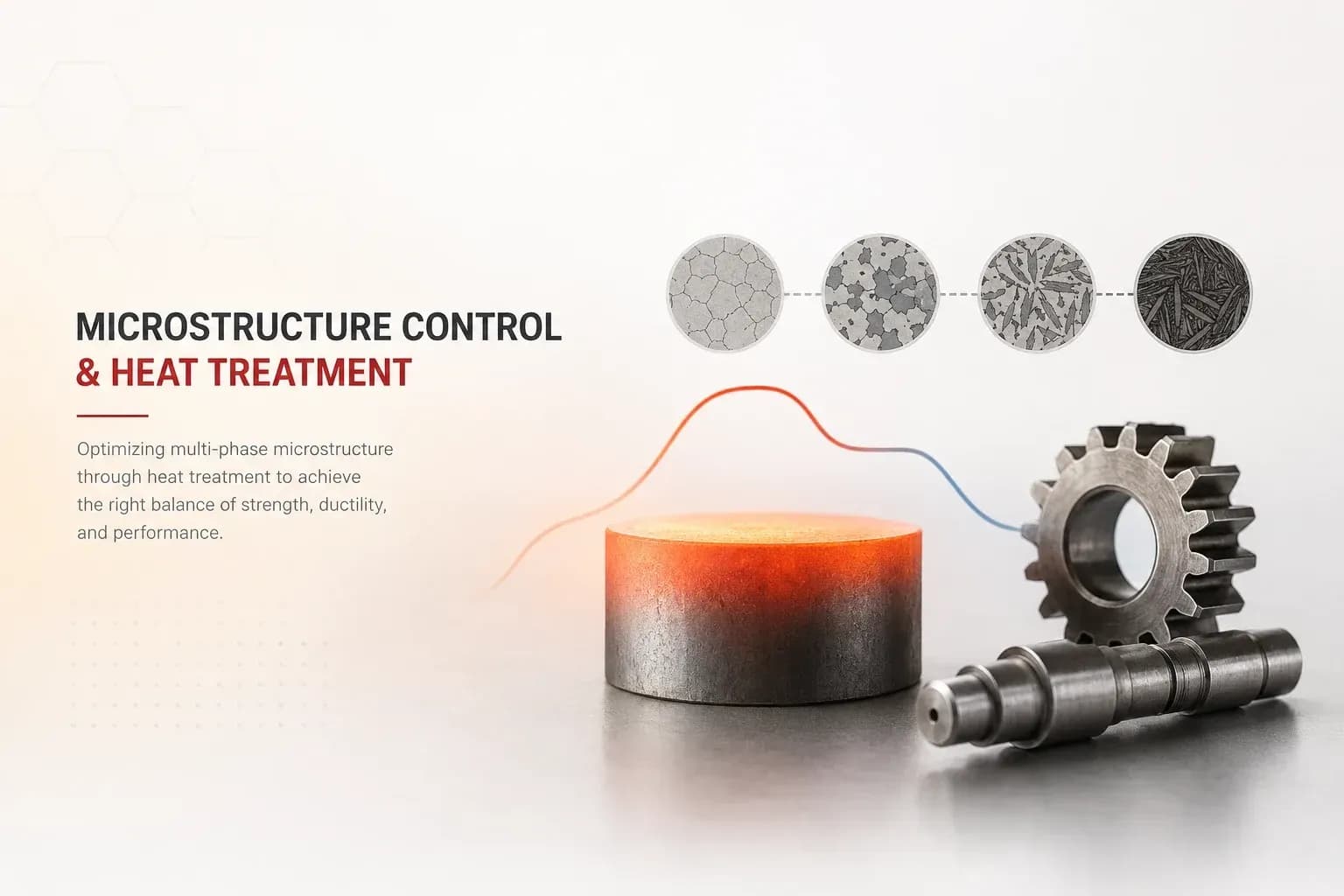
Microstructure Control & Heat Treatment
Engineering multi-phase microstructures for application-specific properties
Optimising multi-phase microstructure — volume fraction, morphology and phase distribution — through heat treatment to deliver the exact property balance an application needs.
Read the case studyAll case studies
15 projects
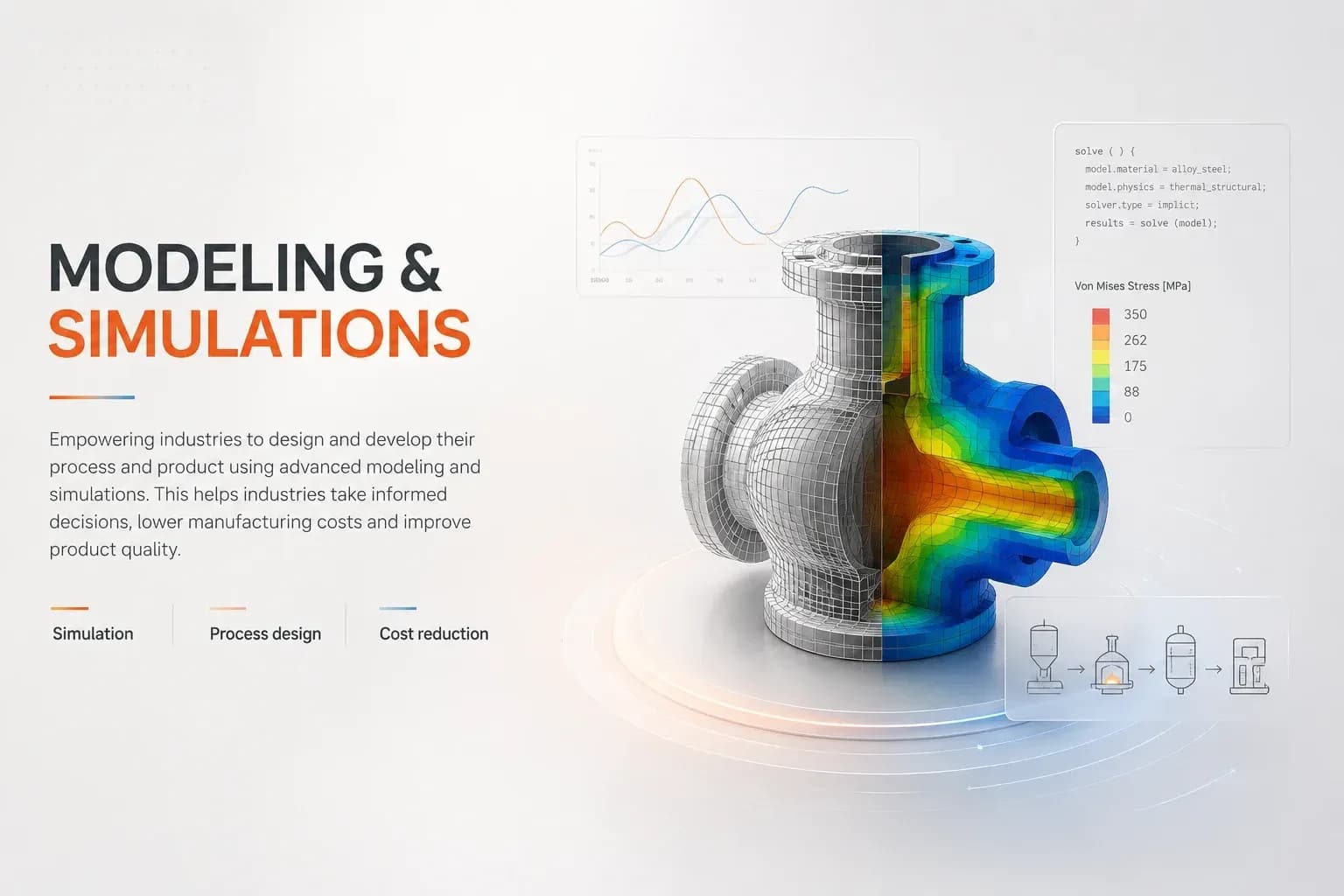
Modeling & Simulations
Empowering industries to design and develop their process and product using advanced modeling and simulation — enabling informed decisions, lower manufacturing costs and improved product quality.
View project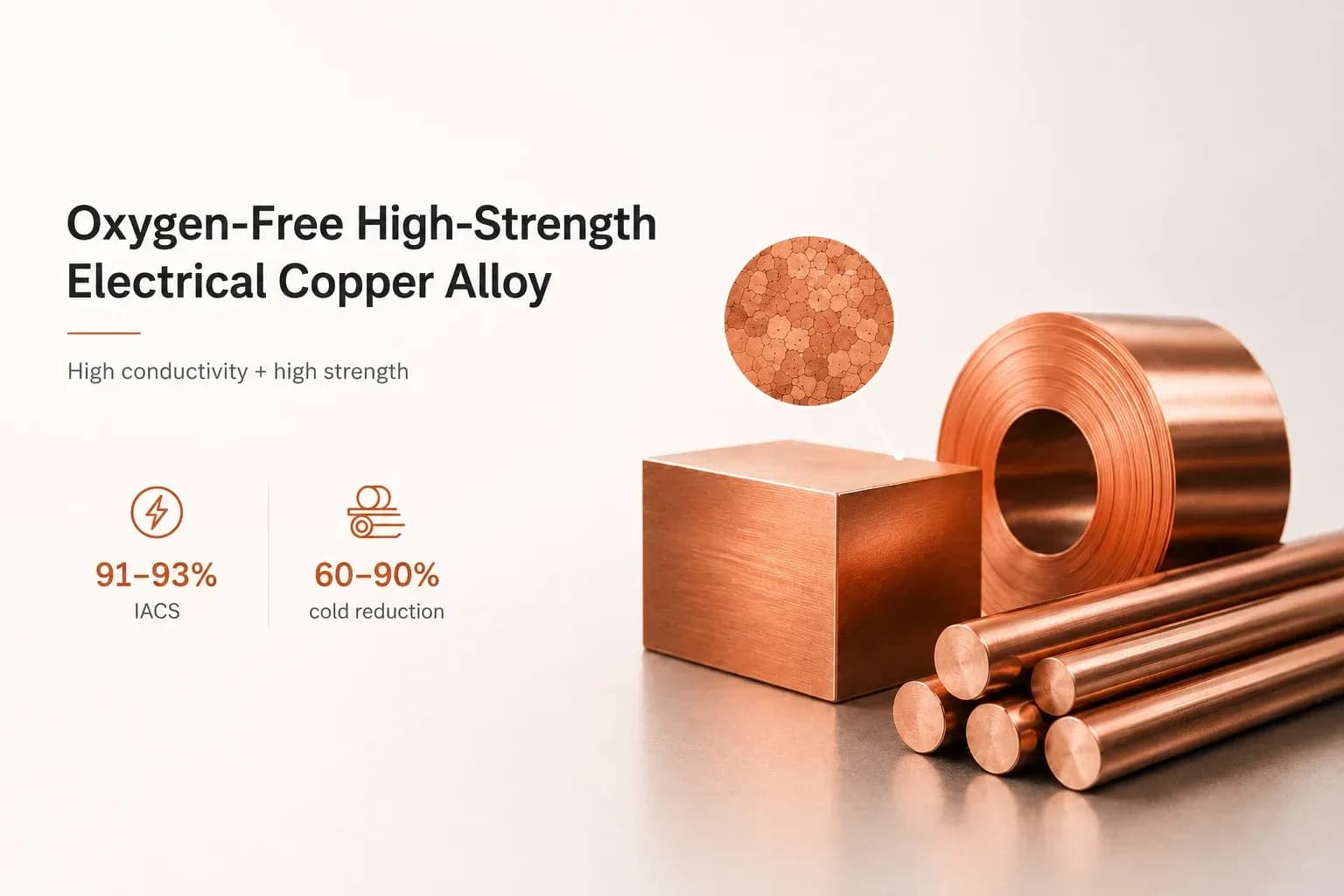
Oxygen-Free High-Strength Electrical Copper Alloy
A copper alloy engineered through alloying, rapid quenching, de-oxidation, cold reduction and aging to reach 91–93% IACS conductivity together with high strength.
View project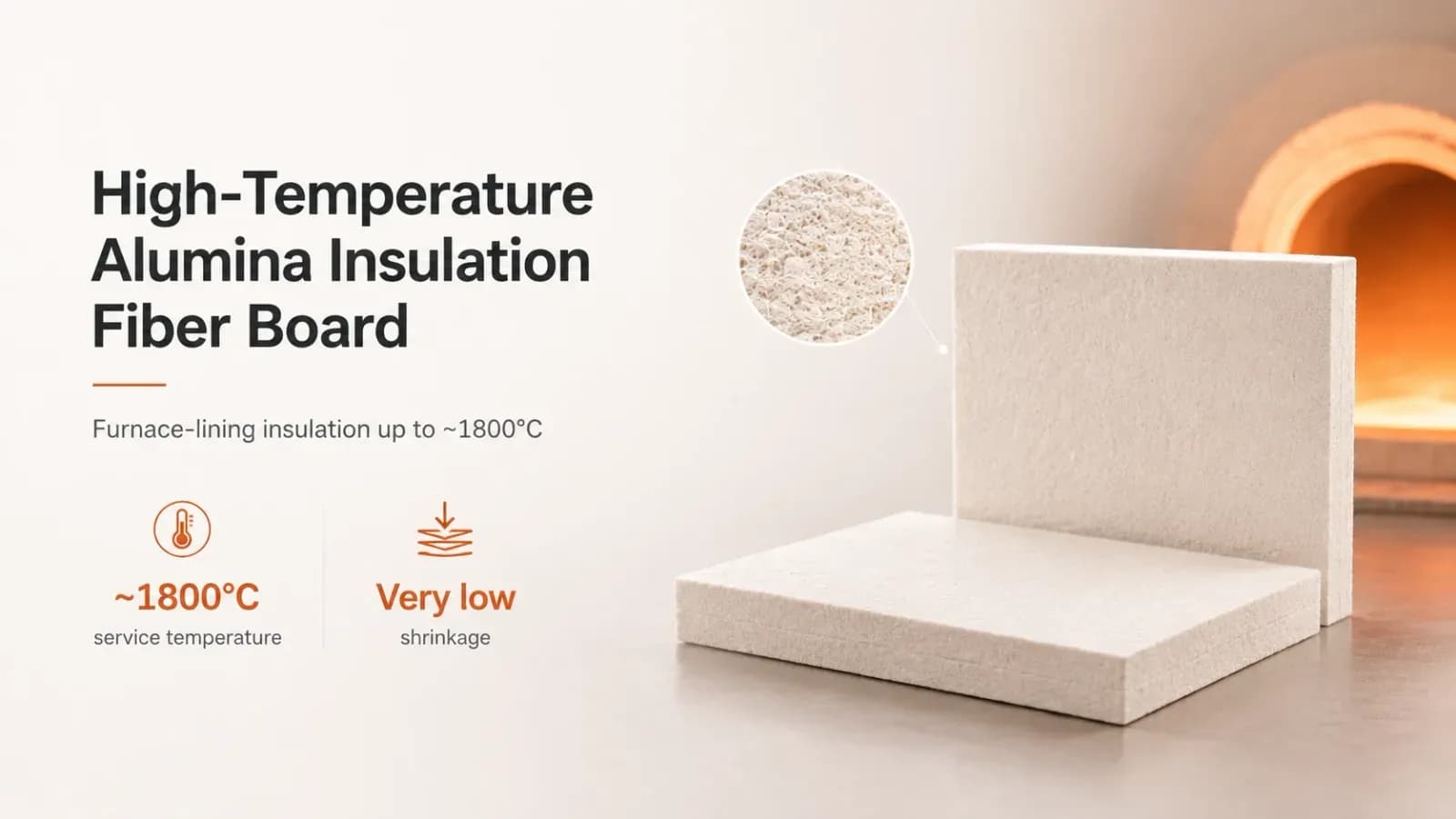
High-Temperature Alumina Insulation Fiber Board
Furnace-lining insulation fabricated to withstand ~1800°C with very low shrinkage and thermal conductivity — improving furnace insulation and reducing dependency on imports.
View project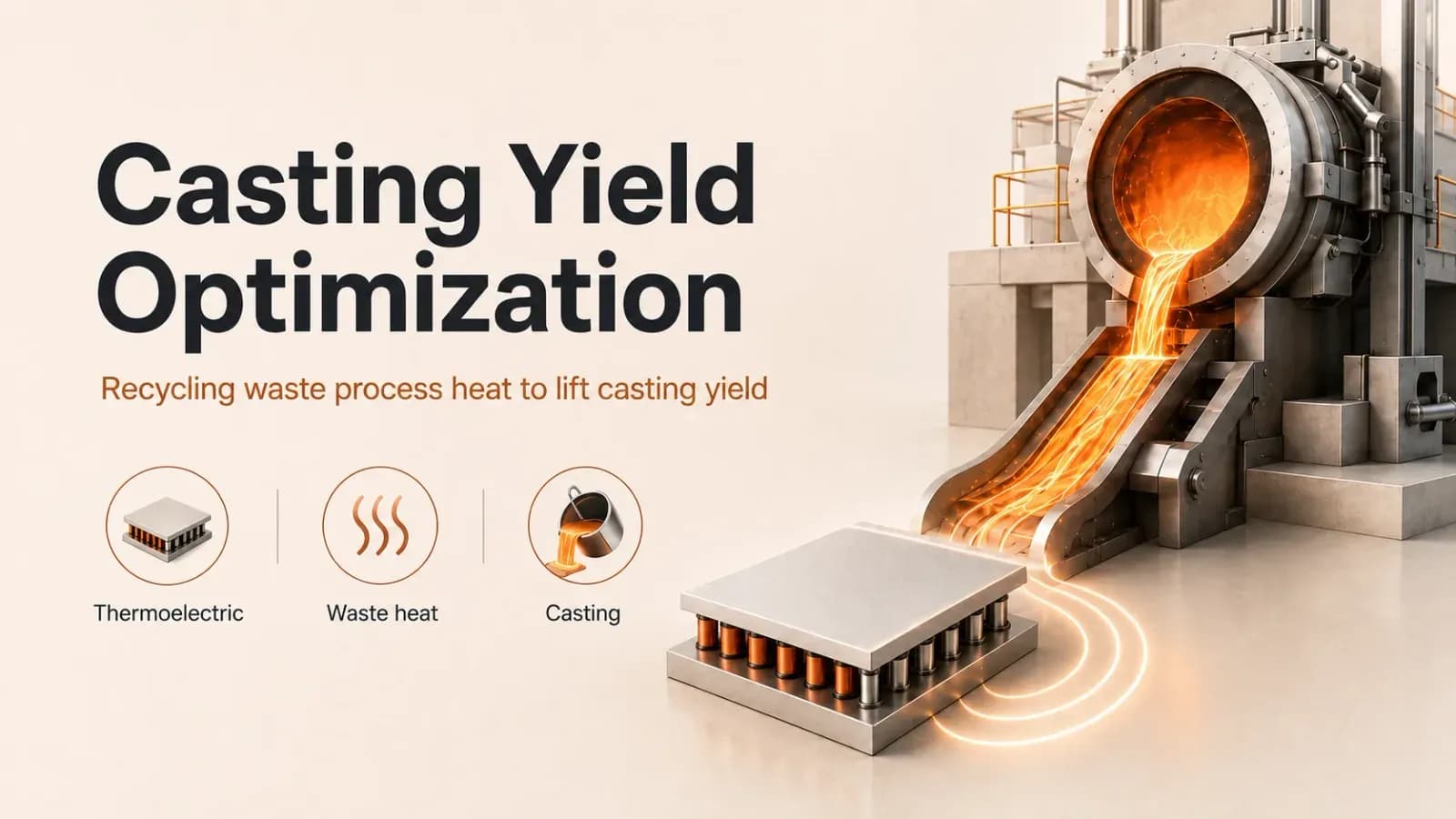
Casting Yield Optimization
A thermoelectric material-based system that recycles waste process heat to hold consistent, controlled temperatures during casting — improving product quality, reducing defects and cutting material waste.
View project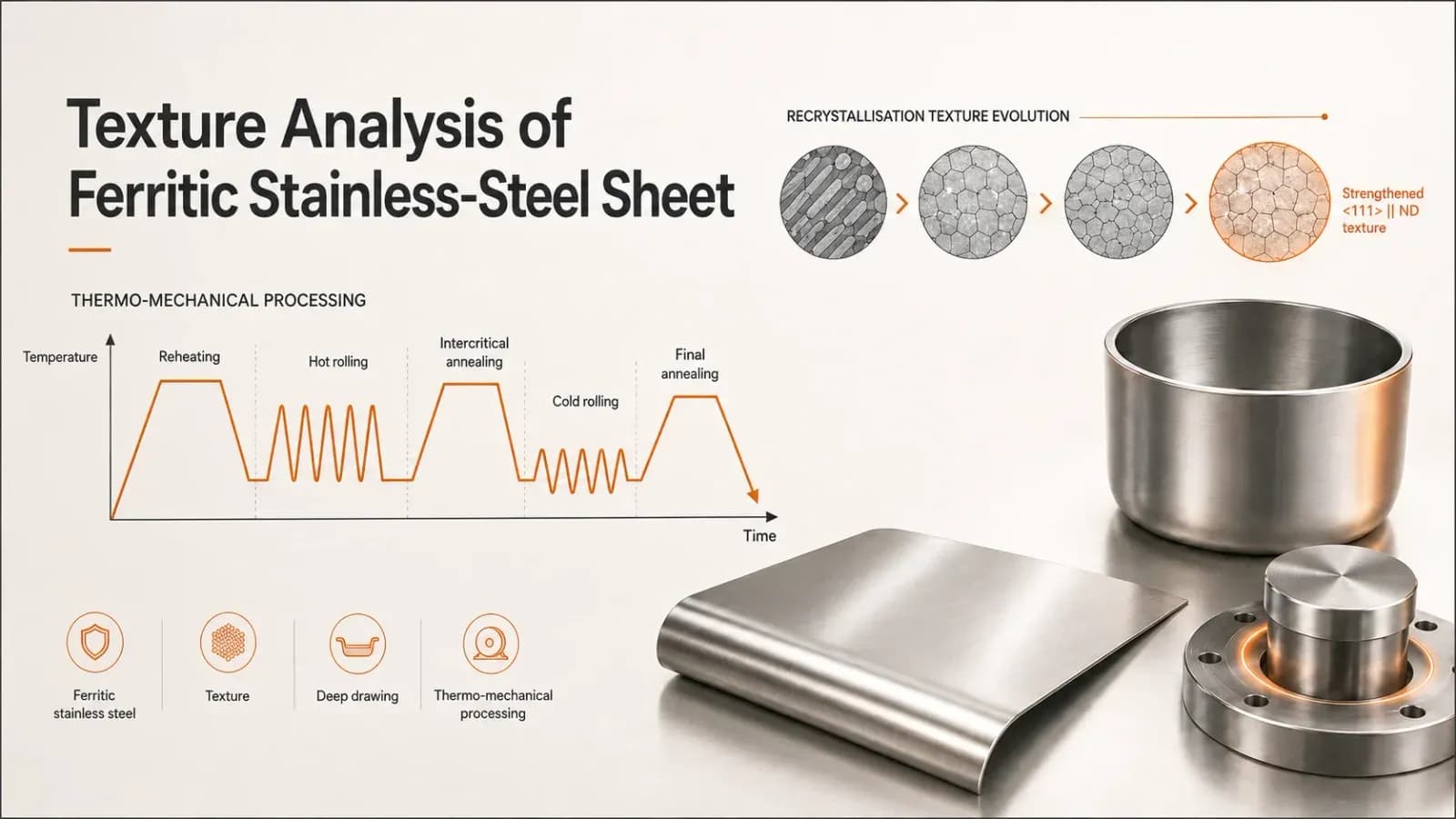
Texture Analysis of Ferritic Stainless-Steel Sheet
Improving the deep drawability of ferritic stainless steel by raising the r-value through microstructure and recrystallisation-texture control via multistage thermo-mechanical processing.
View project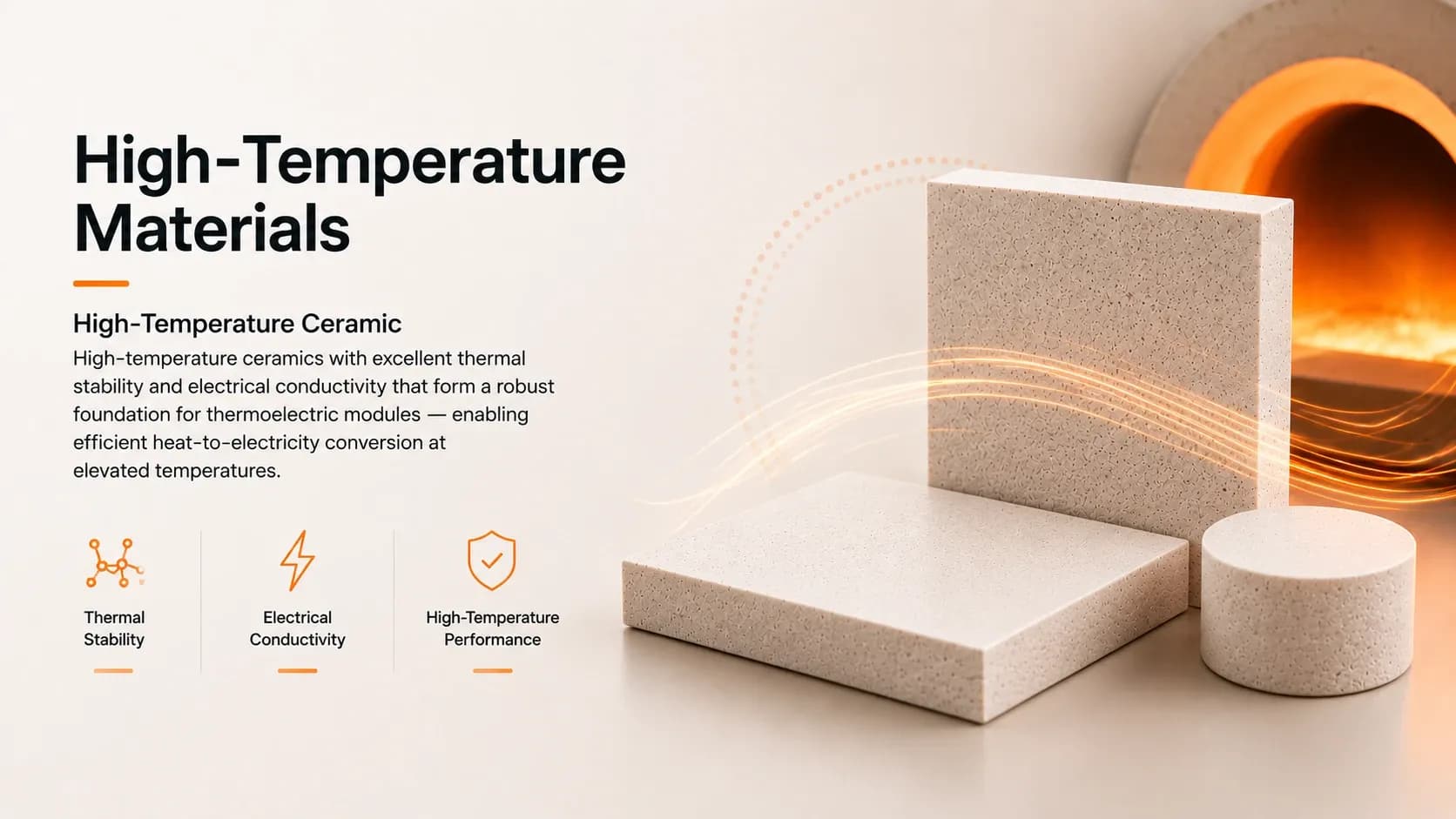
High-Temperature Ceramic
High-temperature ceramics with excellent thermal stability and electrical conductivity that form a robust foundation for thermoelectric modules — enabling efficient heat-to-electricity conversion at elevated temperatures.
View project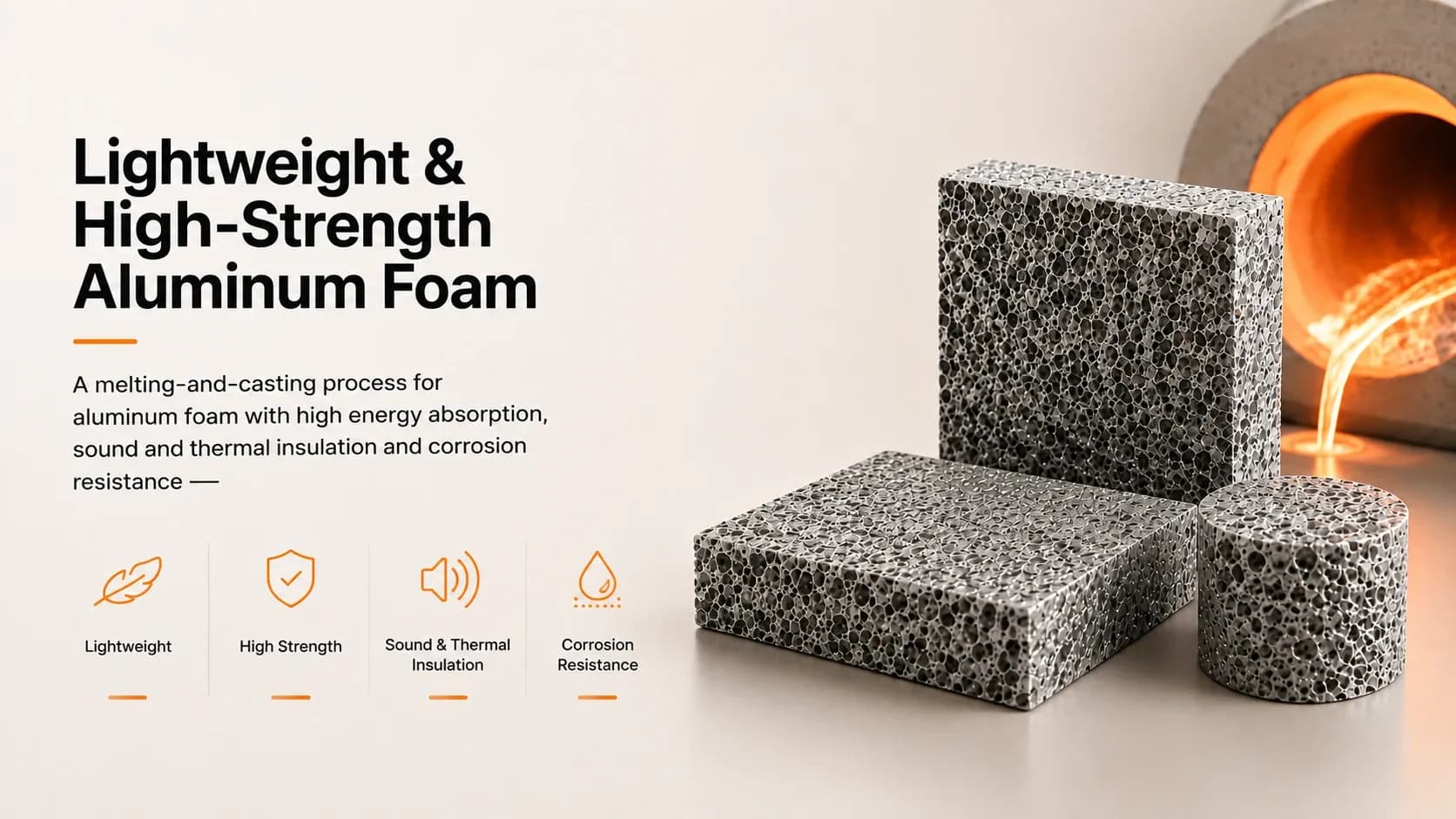
Lightweight & High-Strength Aluminum Foam
A melting-and-casting process for aluminum foam with high energy absorption, sound and thermal insulation and corrosion resistance — delivering high compressive strength at low density.
View project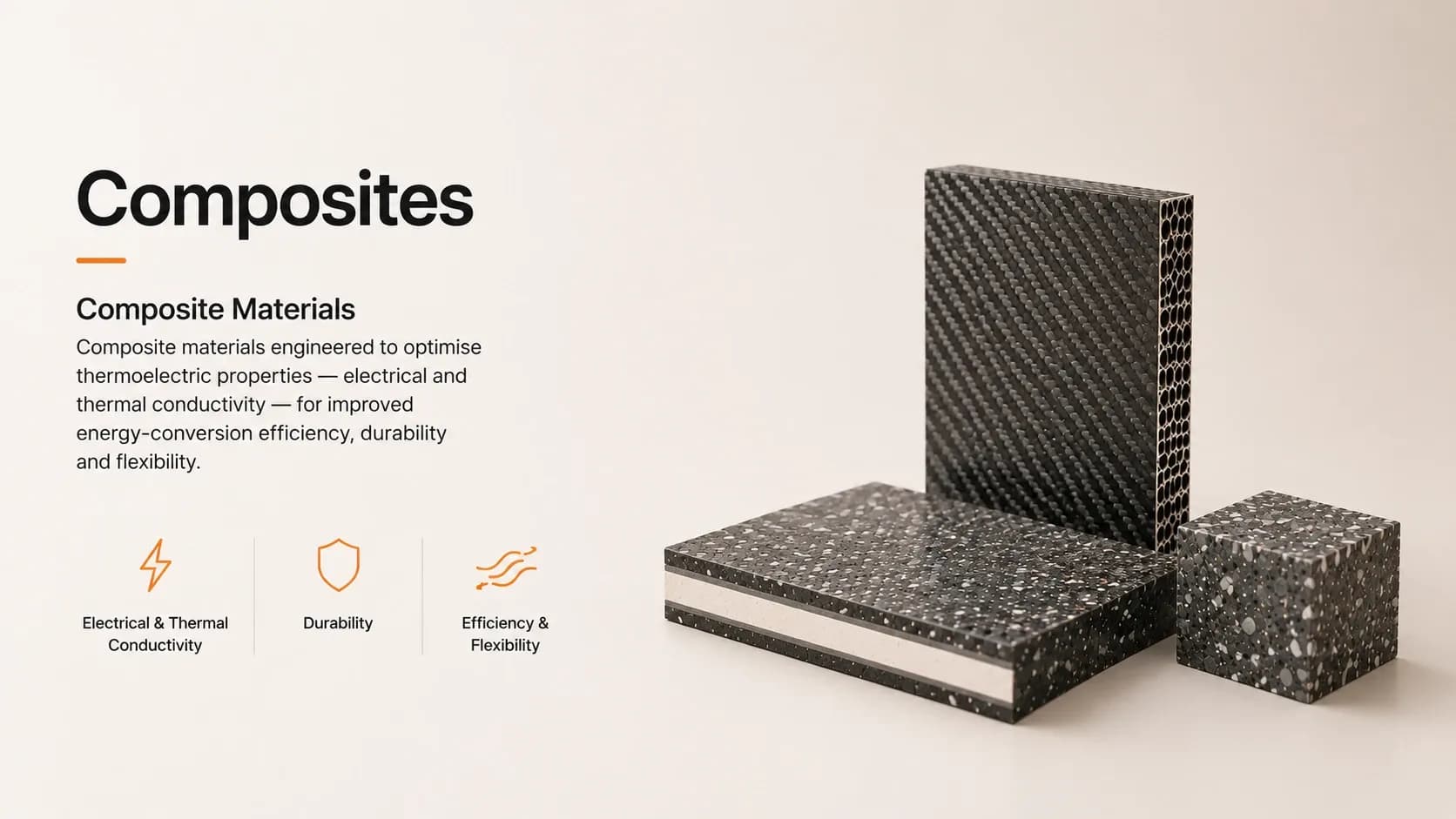
Composite Materials
Composite materials engineered to optimise thermoelectric properties — electrical and thermal conductivity — for improved energy-conversion efficiency, durability and flexibility across industries.
View project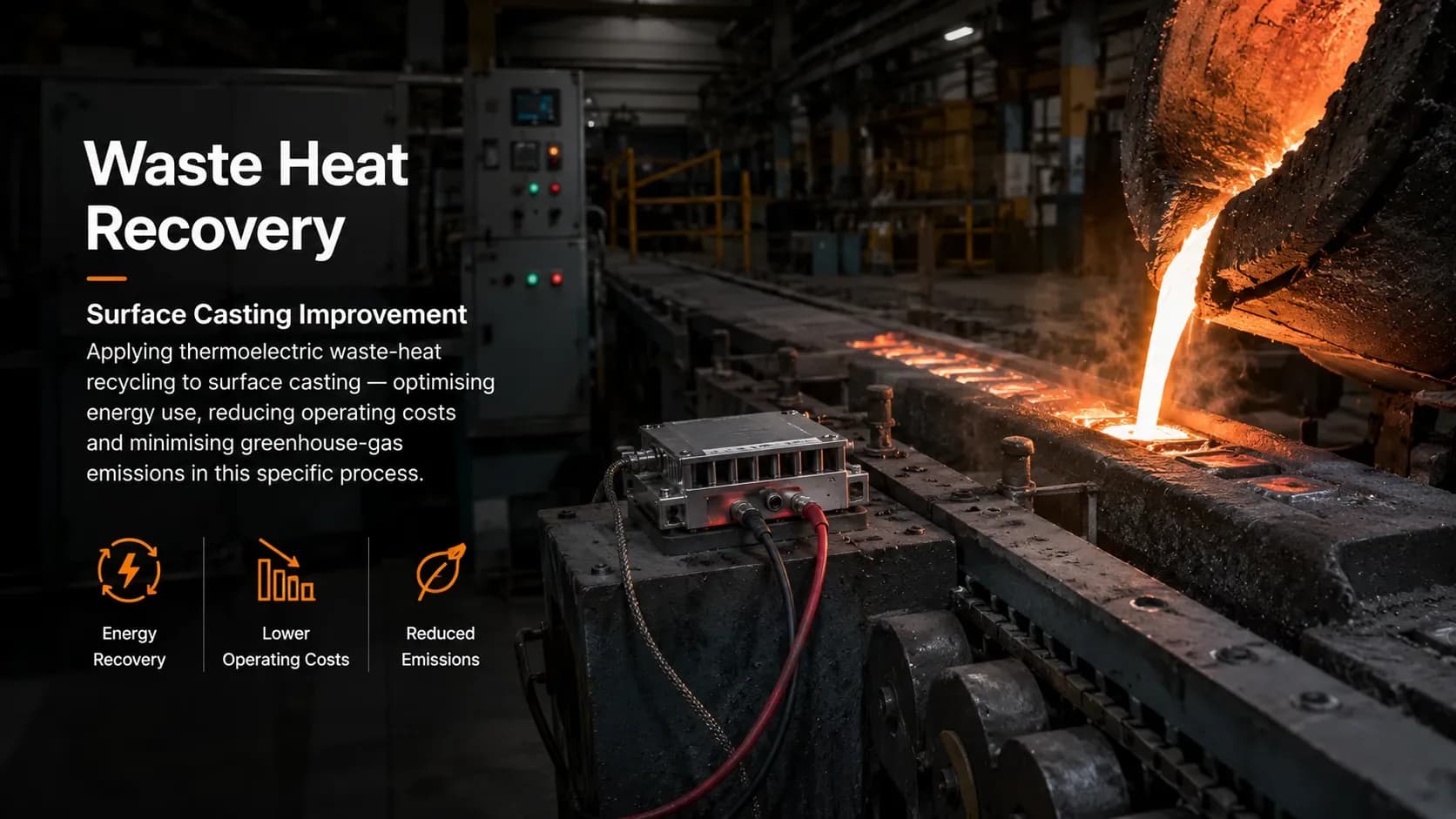
Surface Casting Improvement
Applying thermoelectric waste-heat recycling to surface casting — optimising energy use, reducing operating costs and minimising greenhouse-gas emissions in this specific manufacturing technique.
View project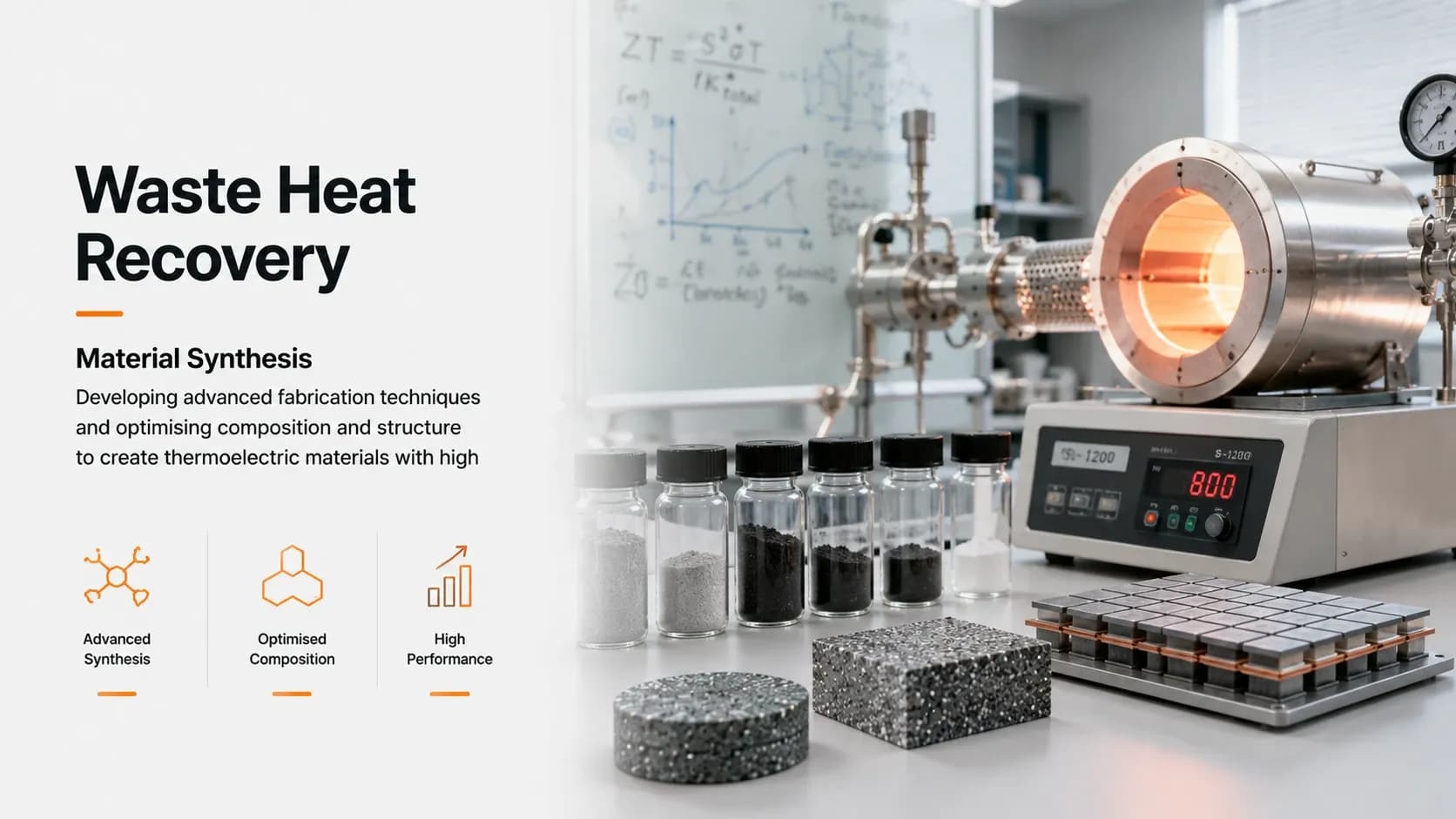
Material Synthesis
Developing advanced fabrication techniques and optimising composition and structure to create thermoelectric materials with high electrical and low thermal conductivity — maximising waste-heat-to-electricity conversion.
View project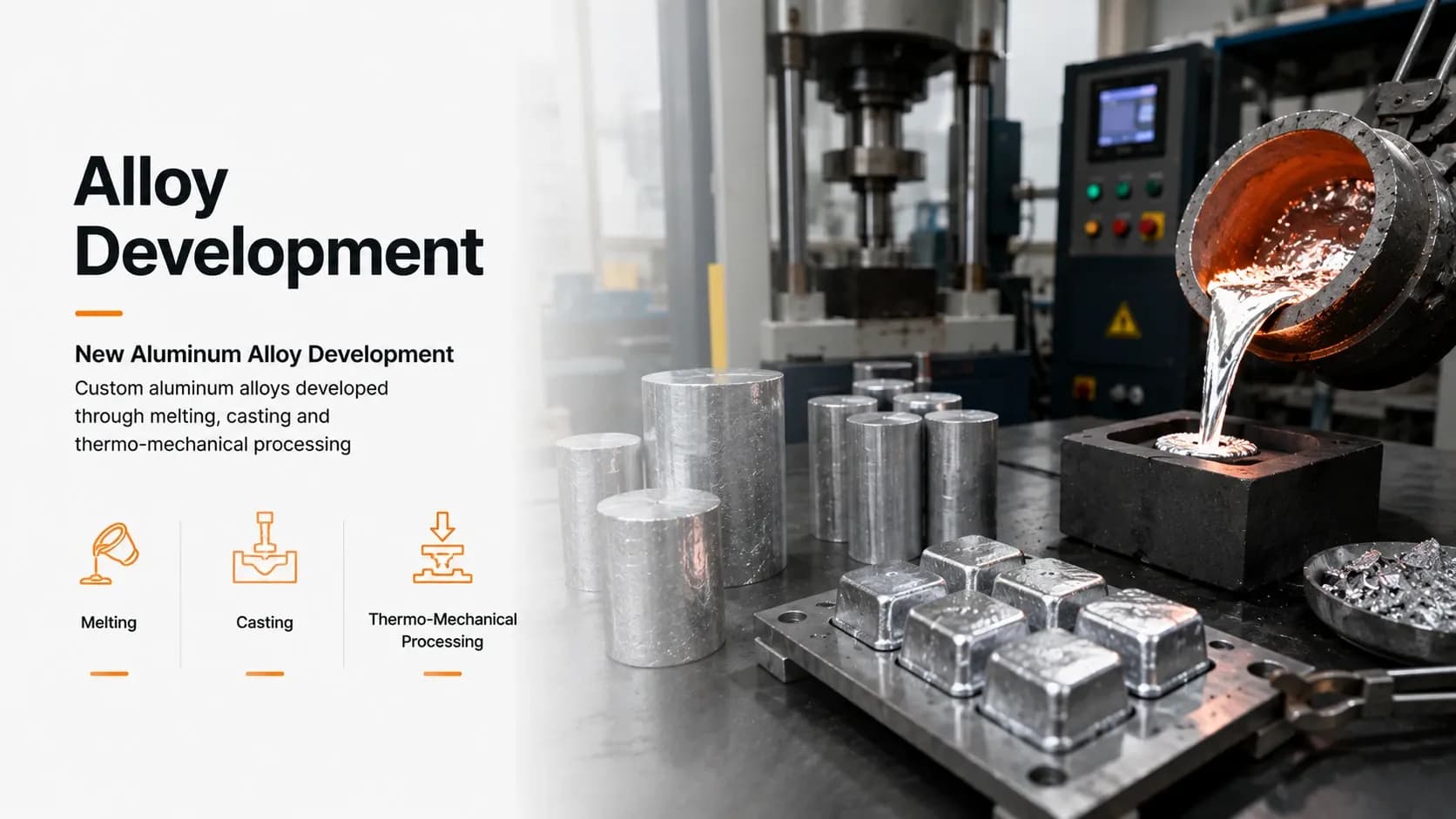
New Aluminum Alloy Development
Custom aluminum alloys developed through melting, casting and thermo-mechanical processing — tuned for strength, ductility and corrosion resistance across transportation, aerospace and construction.
View project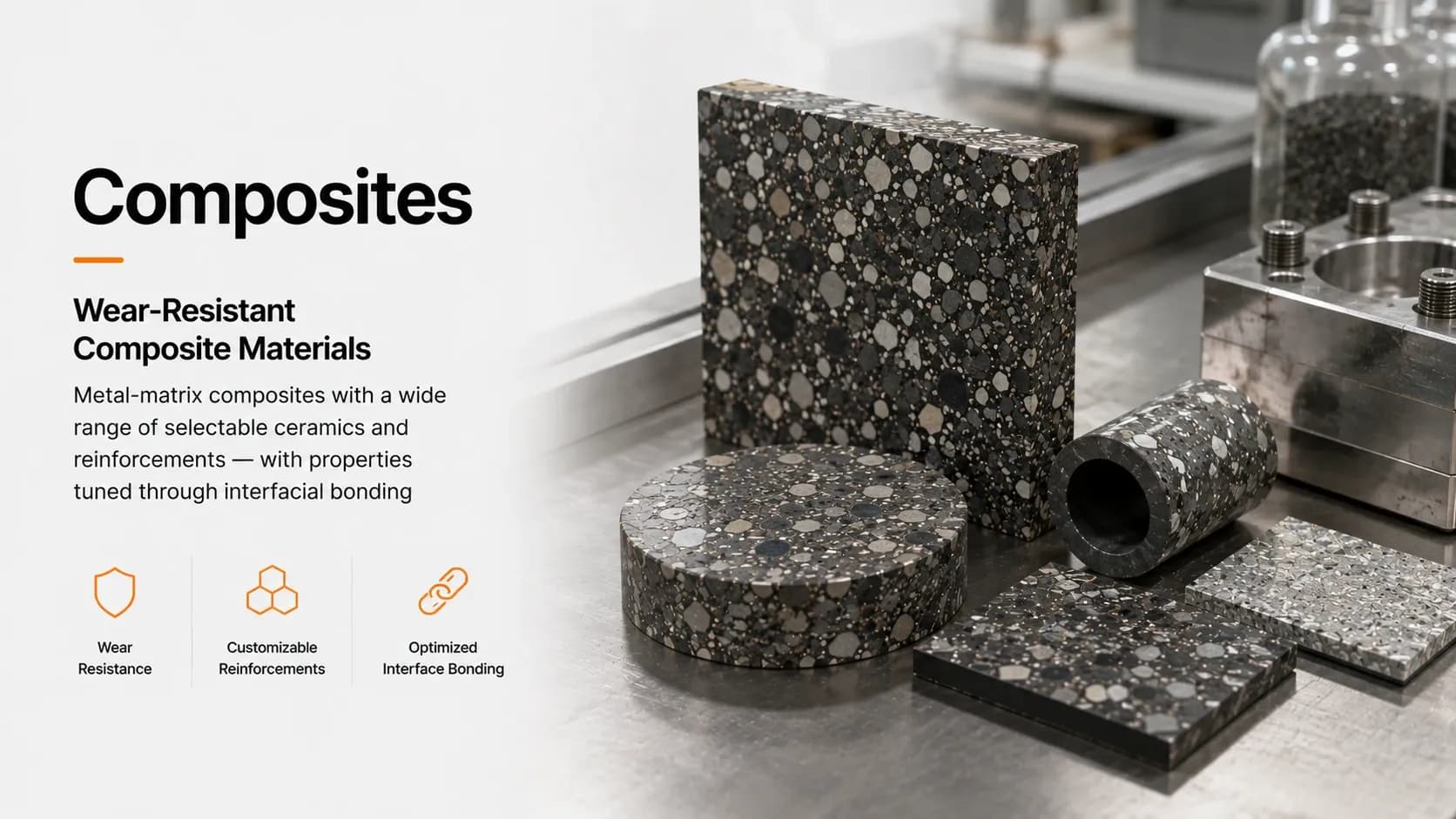
Wear-Resistant Composite Materials
Metal-matrix composites with a wide range of selectable ceramics and reinforcements — with properties tuned through interfacial bonding between reinforcement and matrix.
View project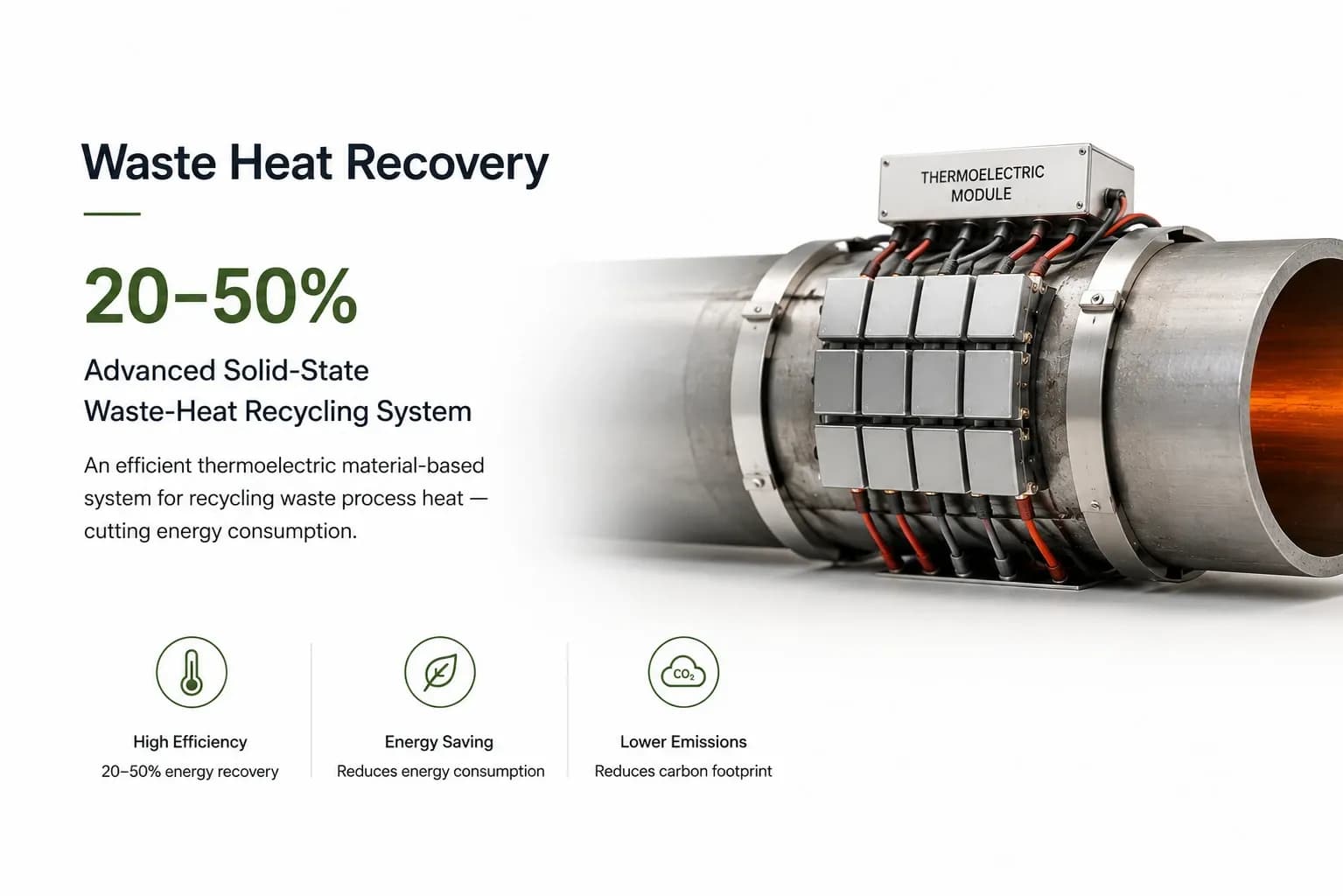
Advanced Solid-State Waste-Heat Recycling System
An efficient thermoelectric material-based system for recycling waste process heat — cutting energy consumption and operating costs while minimising greenhouse-gas emissions, where 20–50% of manufacturing energy is otherwise lost as heat.
View project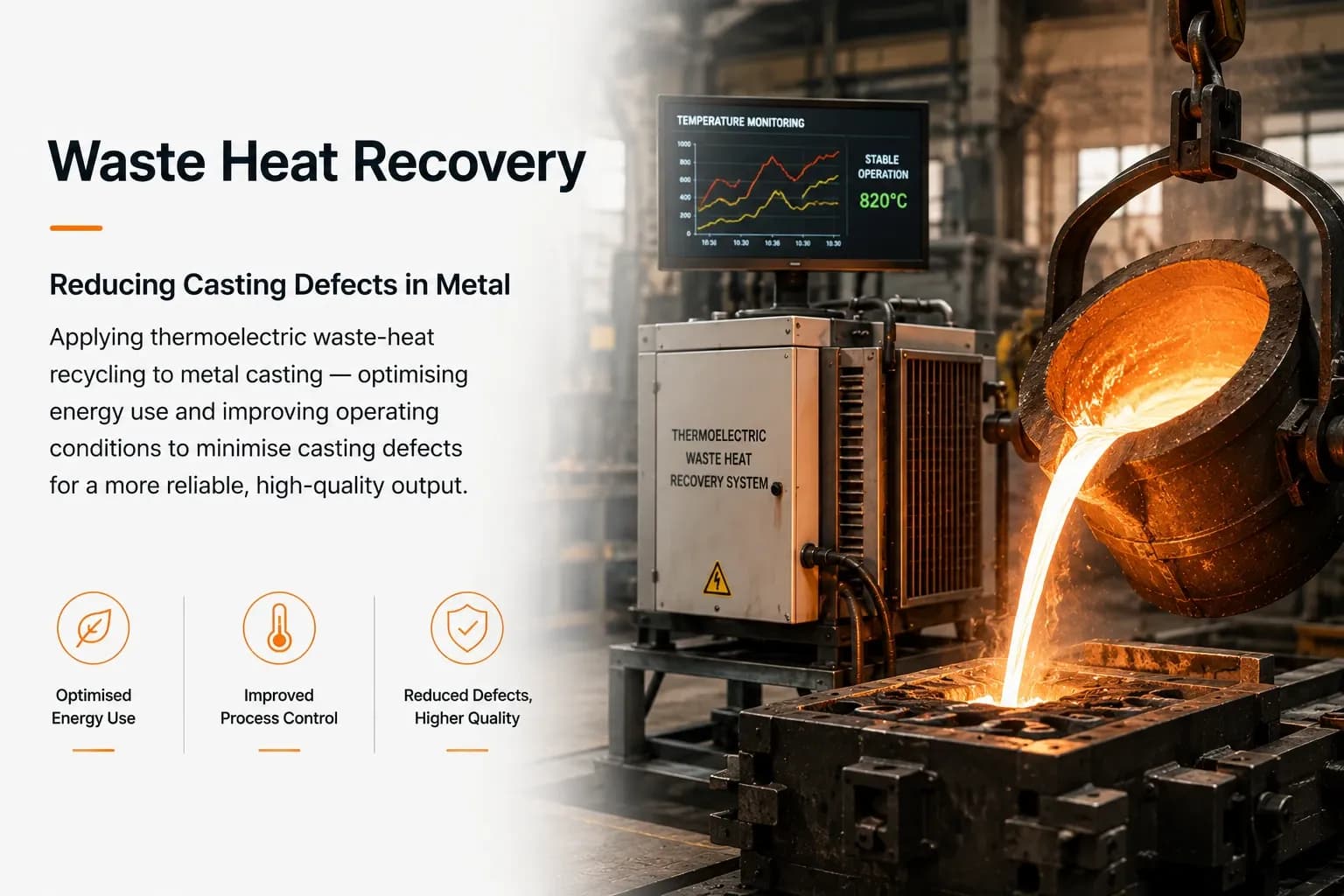
Reducing Casting Defects in Metal
Applying thermoelectric waste-heat recycling to metal casting — optimising energy use and improving operating conditions to minimise casting defects for a more reliable, high-quality process.
View project
Have a materials challenge? Let's solve it.
Tell us about your process and goals — we'll scope the R&D path from prototype to production.